Flapjacks
Flapjacks are probably the easiest thing in the world to bake—the ingredients, equipment, and method are all fairly minimal, and the recipe is very forgiving when modifying to your own taste.
Flapjacks are very customisable—this is a very plain recipe, which is the way I usually like my flapjacks, but flapjacks often have other things added to them—dried fruit, nuts, seeds, etc. When I’m in the mood for something a bit more exciting, I usually raid my pantry for whatever odds and ends I have leftover, but I am especially fond of hazelnuts, pecans, apricots, cranberries, and pumpkin seeds. I usually limit the total weight of add-ins to 150g, added when mixing the flour and oats together.
Ingredients
- 220g oats
- 80g plain flour
- 125g butter
- 90g golden syrup
- 90g light brown sugar
The Oats
You want rolled oats, of medium to large size—I typically use what I have on hand for porridge and such.
The Flour
I use standard plain white flour. In the UK, plain flour generally has a gluten content of around 9g or so, but the gluten level is not a particularly relevant factor when making flapjacks. The flour helps give the flapjack a chewy texture, and you can adjust the flour to oat ratio to your liking—replacing all the flour with oats results in a very brittle flapjack in my experience, and 220g oats to 80g flour is a nice balance between chewiness and crunchiness.
The Butter
I use salted butter, as that’s what I usually have on hand—if you’re not using salted butter, add a pinch of salt when you’re mixing the oats and flour.
The Syrup
Golden syrup is one of the main ingredients to a flapjack, and gives it that slight caramelly taste. Golden syrup isn’t widely available in many other countries, and I’m unsure on what would be a suitable substitute—its texture is roughly akin to honey, if slightly thicker, while its taste is deeper and darker. Substituting honey would certainly give one a delicious result, but it would be somewhat lighter than a typical flapjack.
The Sugar
I use light brown sugar for the sugar, as it lends a darkness to the flavour which complements the golden syrup well. Dark brown sugar is a bit too dark—your flapjack might taste a bit bitter.
Equipment
- 11 x 7 inch rectangular baking tin with high sides
- Medium sized saucepan
The tin
You want a rectangular shaped tray, around 11 x 7 inches (or 12 x 6, etc) with high, straight sides, preferably non-stick.
The Saucepan
Any bog-standard saucepan will do. If it can boil water, it's suitable.
Method
1. Grease and line the baking tin.
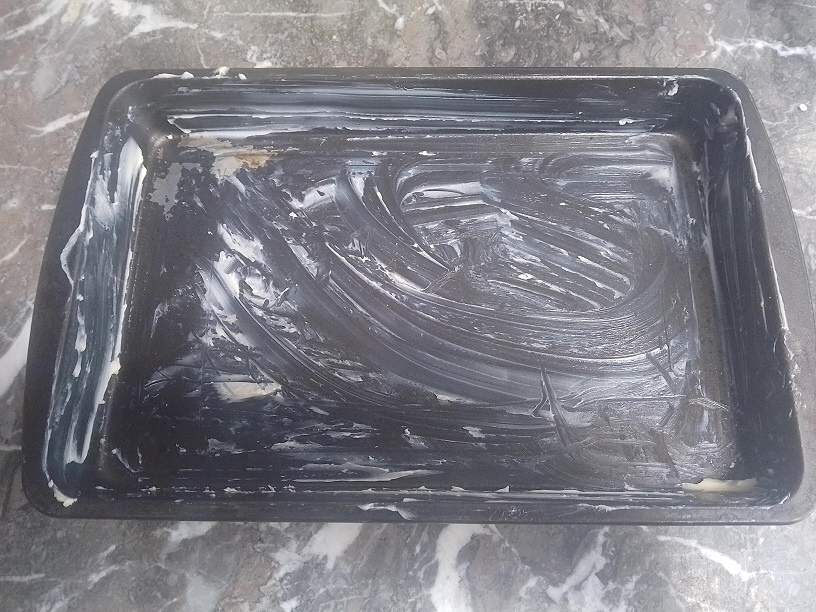

I usually use the residual butter on a leftover butter packet for this, but if I don’t have any leftover butter packets to hand, I take a piece of butter, put it in the tin, then tear a piece of baking paper to rub the butter all across the inner surface of the tray. To line the tin, cut out a piece of baking paper to run across the width of the tray, with plenty of overhang, and press it into the tray, letting the butter cling to it.
2. Preheat the oven to 160C Fan.
3. Place the butter, sugar, and golden syrup into a saucepan. Place it over the hob (stove) on a gentle heat until everything has melted, then set aside.
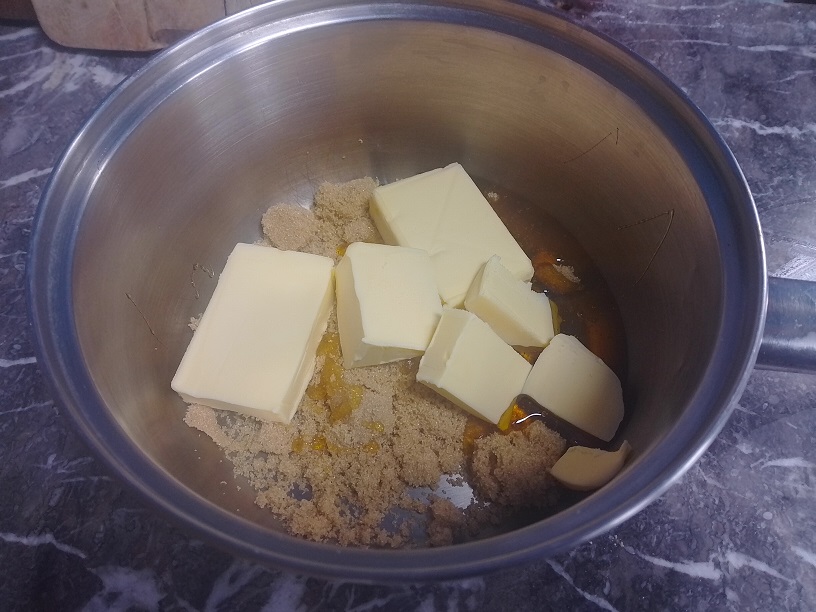
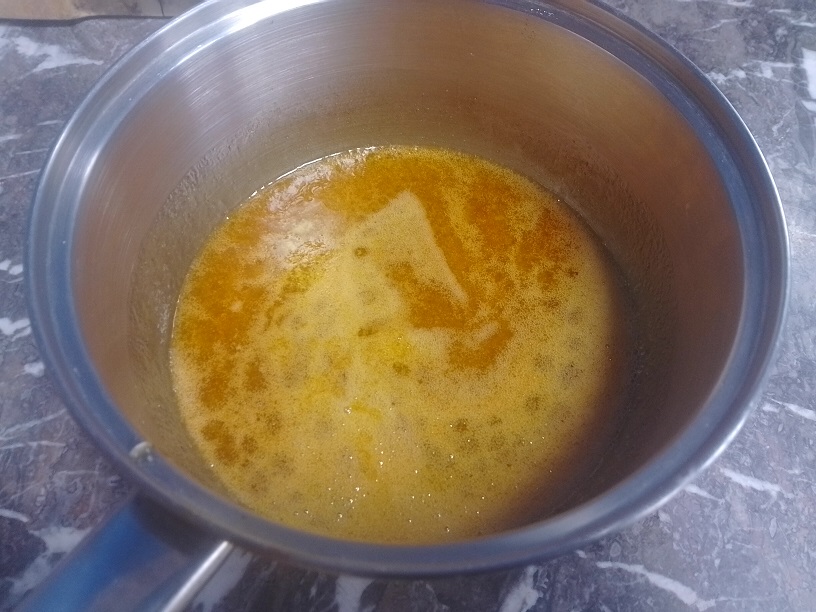
You want a calm, low heat, as sugar can caramellise and then easily burn if the heat is too intense.
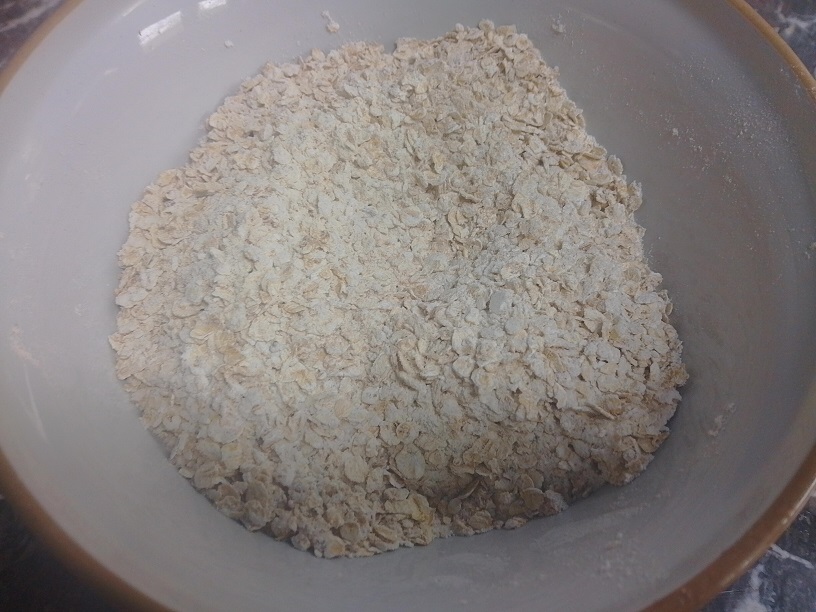
4. Place the flour and oats into the mixing bowl, then stir until combined.
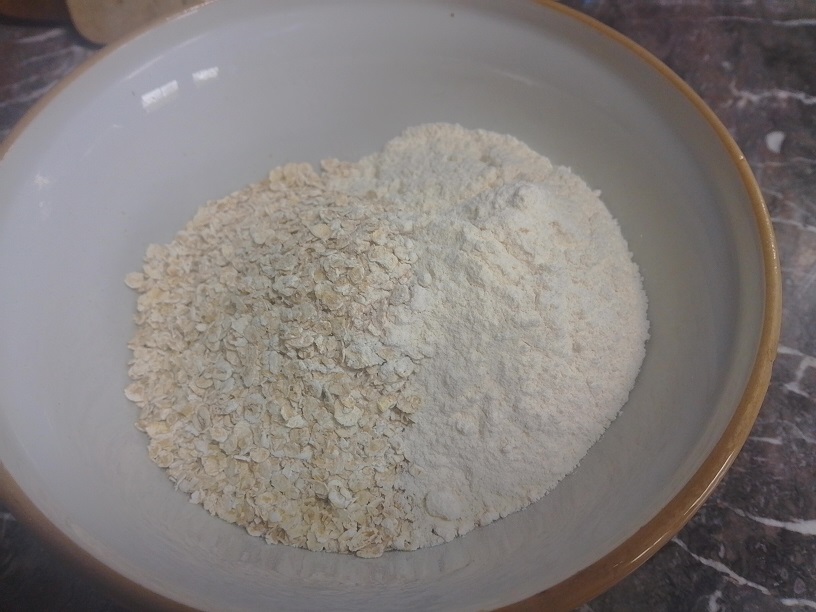
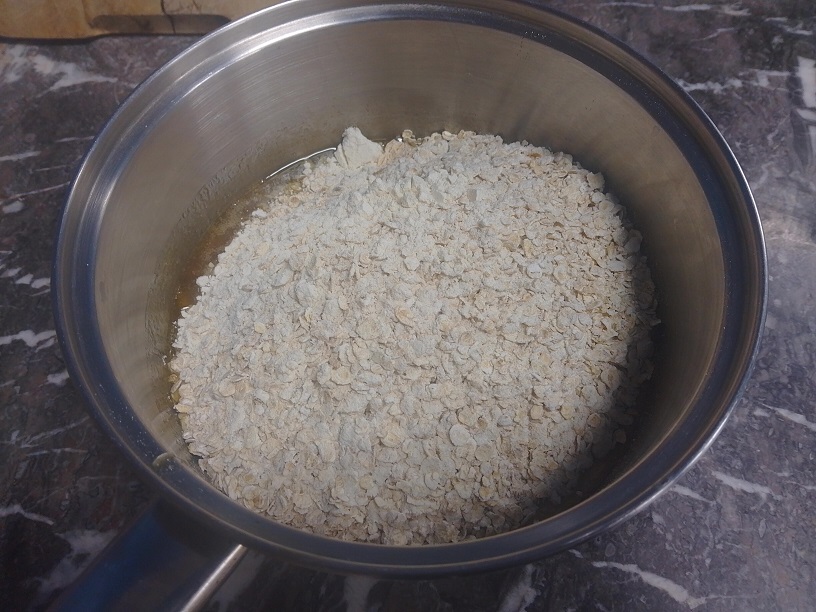
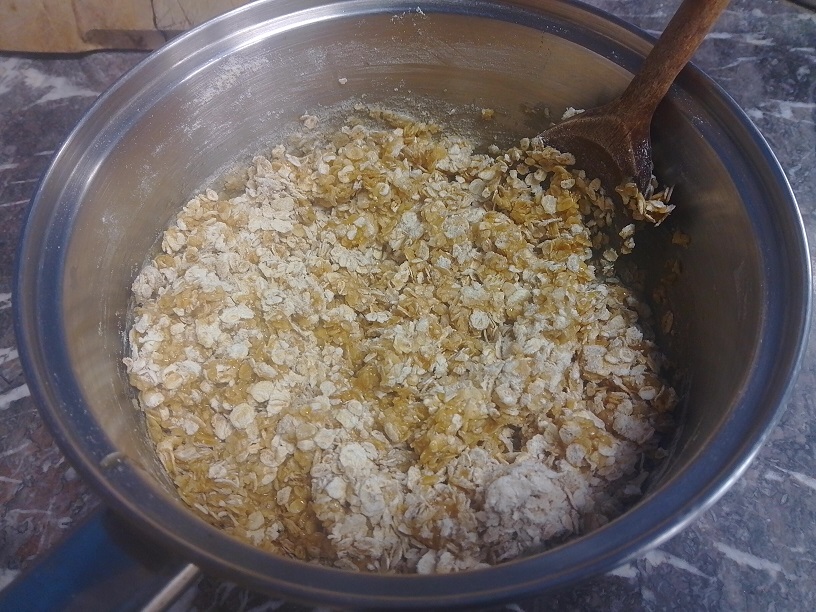
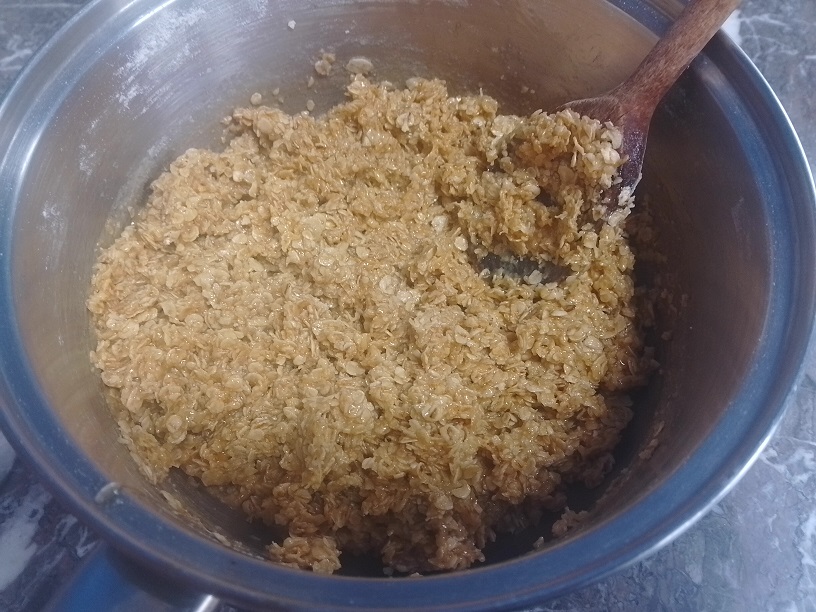
5. Once the butter, sugar, and golden syrup has melted completely and been removed from the heat, add the flour and oat mixture, then stir until completely combined.
6. Place the mixture into the greased and lined baking tray with a spoon or silicon spatula, then smooth the mixture out, until it covers the entire surface of the baking tray evenly.
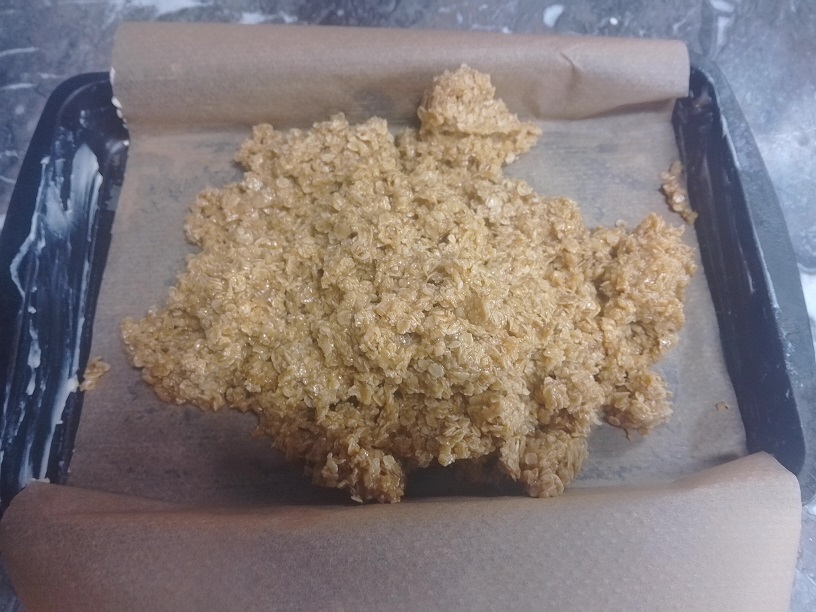
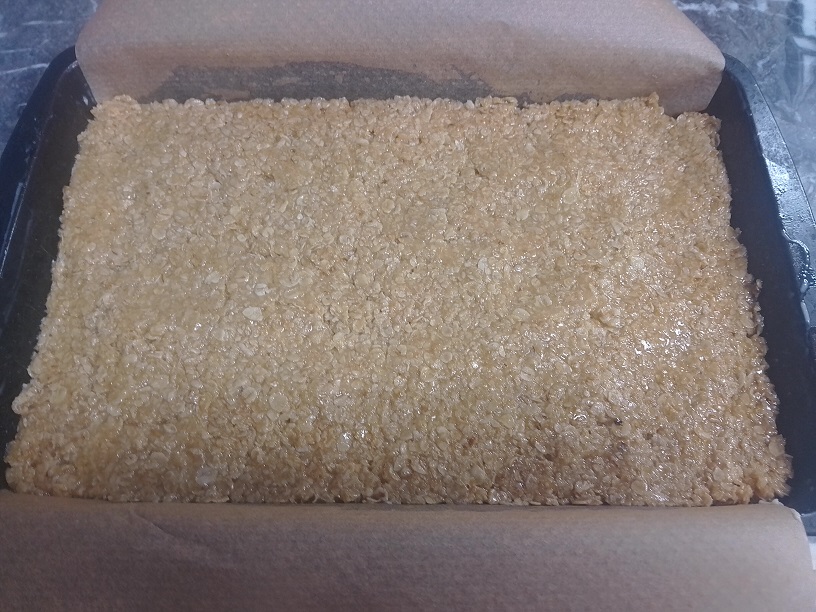
7. Bake for twenty five minutes to half an hour.
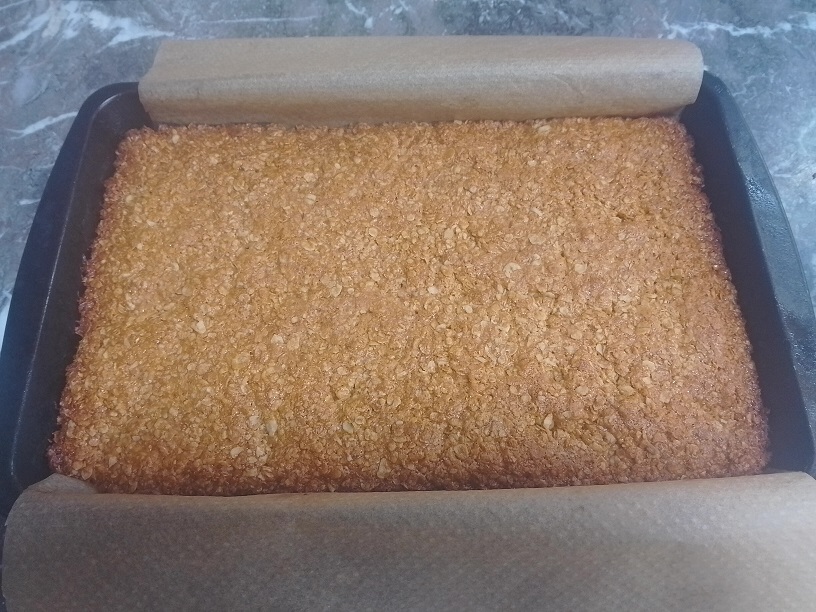
The surface should be gold, the edges crisp and brown. If it is cooking too quickly, you can either turn the heat of the oven down, or you can tent (cover) the top of the tray with foil.
8. Remove from the oven. While still warm, mark out bars of equal size with a knife. Leave to cool.

When marking the bars, do not cut all the way through, simply score it by firmly pressing the knife into the surface of the flapjack.
9. Once cool, lift the flapjacks from the tray by pulling on the baking paper overhang. Transfer to a chopping board.
Sometimes the narrow sides (the ones which aren’t covered by baking paper) might be stuck to the baking tray—don’t worry. Loosen the flapjack from the tray by wedging something between them and the tray—if using a knife, or any other kind of metal implement, use the blunt edge and be gentle as you push it in, as it could scratch the surface of the tin—personally, I use a plastic dough scraper.
10. Cut the flapjack into individual flapjacks, using the scores as a guide.
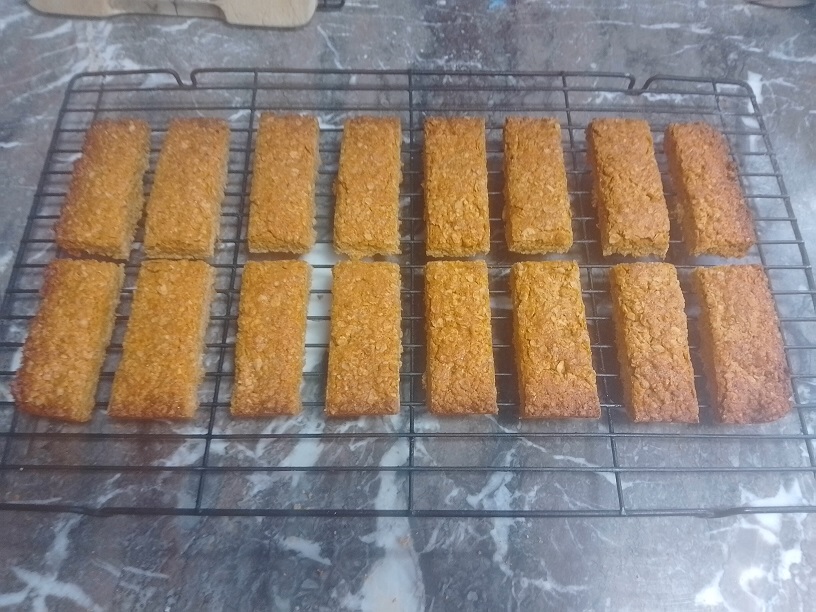
11. Enjoy your flapjacks!